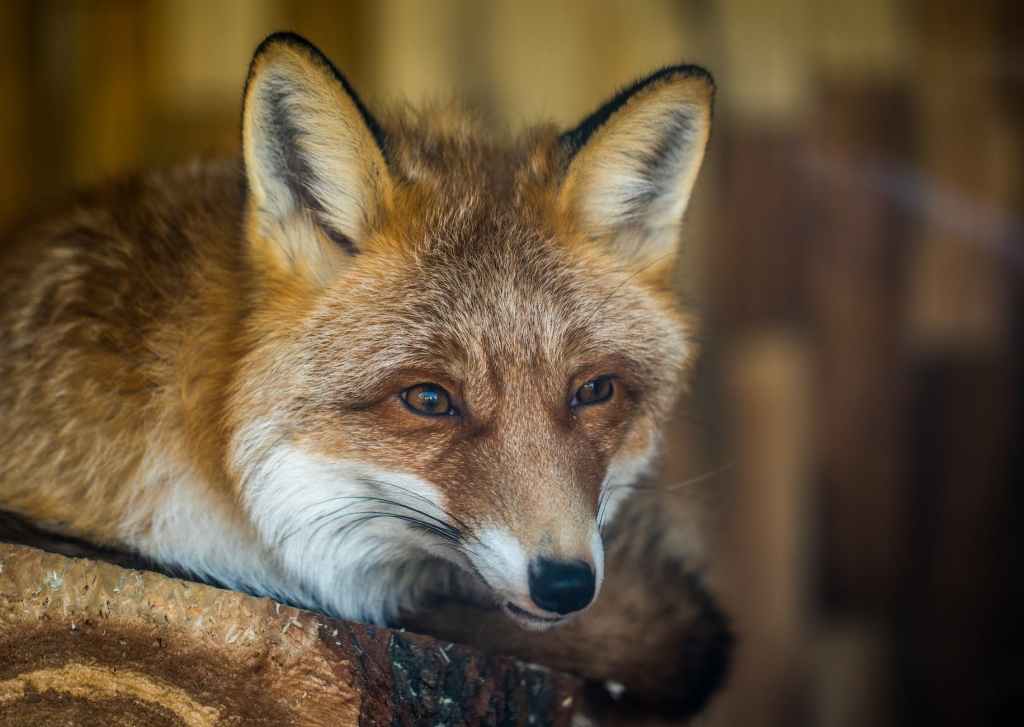
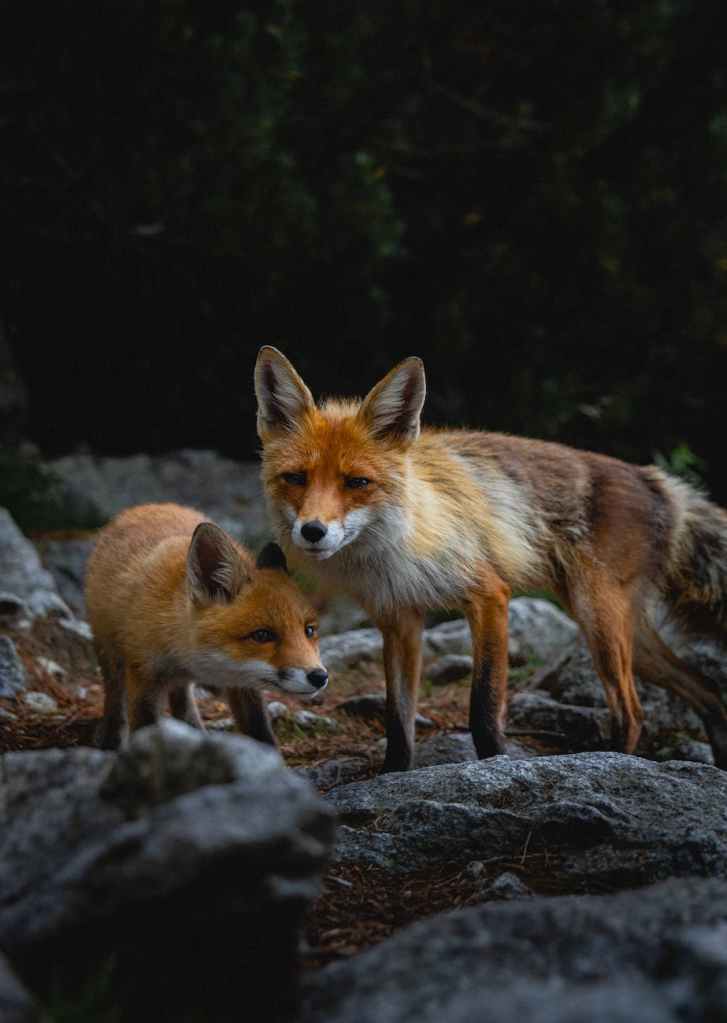
In the heart of California’s Sierra Nevada mountain range lies a secret, a hidden world of resilience… the home of the Sierra Nevada Red Fox. Amidst a fragile ecosystem teetering on the edge of balance, these elusive creatures, with fewer than 50 remaining, stand as North America’s rarest mammals. Yet, in the face of adversity, they possess a wild survival strategy that sets them apart.
Imagine a fox born of the ice age, with its DNA tracing back thousands of years. Their coats are often shades of black and gray, perfectly blending into the rocky landscape with their tiny bodies that only weigh around eight pounds. They have also adapted to roam across the treacherous snowy slopes with challenging alpine conditions and eat rodents, birds, or other small prey. This would have you think blending in is the survival tactic and it is. Kind of.
As we unveil the tale of these foxes, we find ourselves pulled into a world where survival and adaptation meet. With a lack of prey to eat, deforestation, and human pollutants, widespread hybridization with nonnative foxes has become their unusual means of existence. This intermingling helps keep the population alive, but that means these foxes are breeding themselves out of existence with different breeds of foxes to continue their lineage. Sadly, this means the Sierra Nevada red fox won’t be around much longer.
But the journey of the Sierra Nevada Red Fox is far from an isolated tale. Wildlife from all over are dealing with these losses as their population dwindles. The fate of the Sierra Nevada Red Fox and many other wildlife species lie in our hands, beckoning us to take action.
Making a difference in the lives of endangered wildlife doesn’t always require grand gestures of wealth or display. Even small actions can collectively create a meaningful impact. Start by being mindful of your everyday choices, like supporting sustainable practices and reducing your eco-footprint. Recycling, conserving water, and minimizing waste contribute to a healthier environment for wildlife and your wallet. From fast fashion down to the cardboard boxes and plastic bags we use, these items contribute to the toxic pollutants and hazards our wildlife today face.
Make sure to educate yourself about all the environmentally friendly lifestyle changes you want to implement, as studies have come out saying most of us (I included) have recycled wrong. Therefore, it never hurts to learn something new about the environment. From there, share those ideas with friends and family. Simple conversations can raise awareness and inspire others to care about wildlife conservation. If you want to get hands-on, volunteer for local conservation projects. Contribute your time and energy to support wildlife populations directly. By immersing yourself in their world, you’ll develop a deeper appreciation for nature and become a catalyst for change.
Remember, collective action has a far-reaching impact as well. If enough people care to make small but significant changes in their everyday lives, we can create a brighter future for endangered foxes and wildlife worldwide. Together, let us embark on a journey of wonder and conservation, preserving the world we live in and making a more united home.
References:
1. “The Sierra Nevada red fox is now protected and listed as an endangered species.” CNN.
2. “Sierra Nevada Red Fox.” U.S Fish & Wildlife Service.
3. “Sierra Nevada Red Fox.” Center for Biological Diversity.
4. “Sierra Nevada Red Fox.” California Department of Fish & Wildlife.
5. “Sierra Nevada Red Fox: Current Status and Future Prospects.” The Wildlife Society.
6. “Population Structure and Genetic Diversity of Sierra Nevada Red Foxes.” Conservation Genetics.

 The Red Fox Gazette
You must be logged in to post a comment.