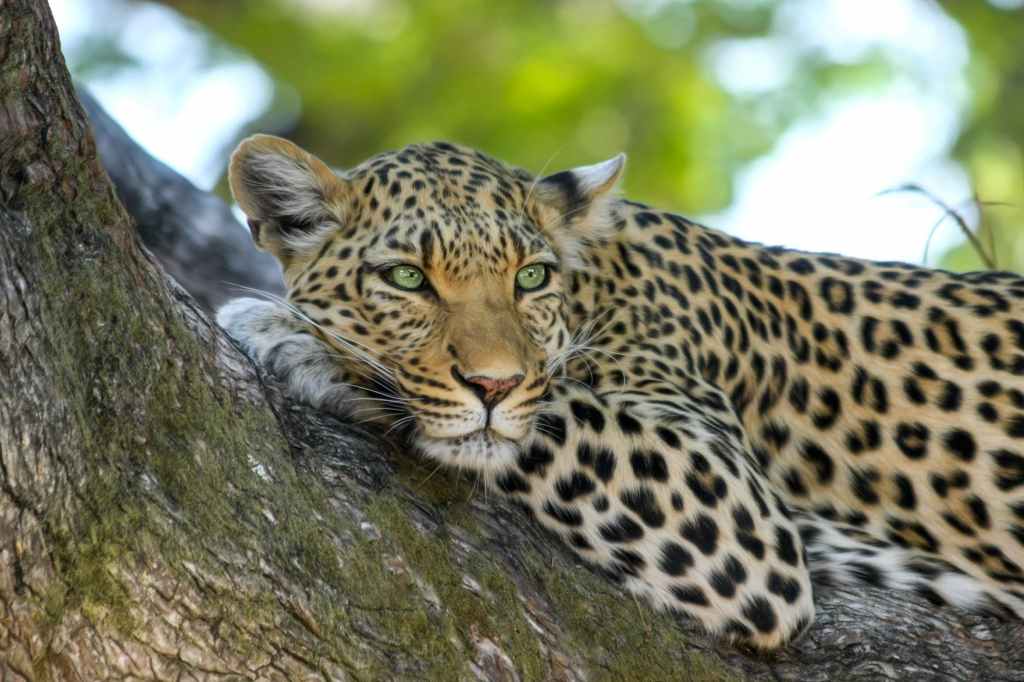
For millennia, leopards have been the ghosts of the wild. Silent, elusive, untouchable. But today, silence isn’t their strategy. It’s their fate.
The leopards are vanishing. Not just from habitat loss, but from a brutal and highly profitable trade. Each year, thousands of leopards are poached and trafficked. Their skins become status symbols in illegal luxury markets. Their bones, crushed into powders, fuel a billion-dollar “traditional” medicine industry, falsely promising healing. Their claws and teeth dangle from necklaces in illegal stores.
Unless the world acts, one of Earth’s most iconic predators may soon exist only in memory. Unlike climate change, which gradually erodes habitats, illegal wildlife trade swiftly and directly targets leopards for profit, causing immediate and devastating population declines. Driven by high market demand and lucrative profits, poaching is rapidly pushing leopards toward extinction, leaving conservationists racing against time to protect these magnificent animals.
The Endangered Leopards:
Subspecies on The Brink
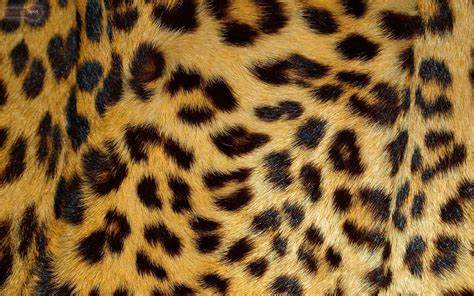
Javan Leopard – Fewer than 250 left
🩸 Poached for pelts, health remedies, and profit.
🩸 Palm oil plantations are shredding their last forests.
🩸 With prey vanishing, these leopards turn to livestock, making them targets for farmers.
In Indonesia, the Javan leopard clings to existence. A single coat can sell for thousands of dollars on the black market, making them prime targets for traffickers. Meanwhile, deforestation is forcing them into deadly encounters with humans.
Arabian Leopard – Less than 200 remain
🩸 Leopard skin coats and rugs fetch tens of thousands in luxury markets.
🩸 Expanding cities carve up their last strongholds.
🩸 Poison and bullets are wiping them out in retaliation for livestock attacks.
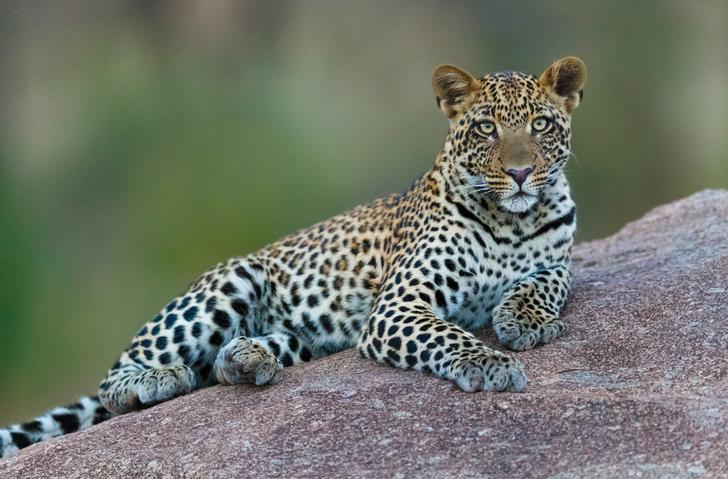
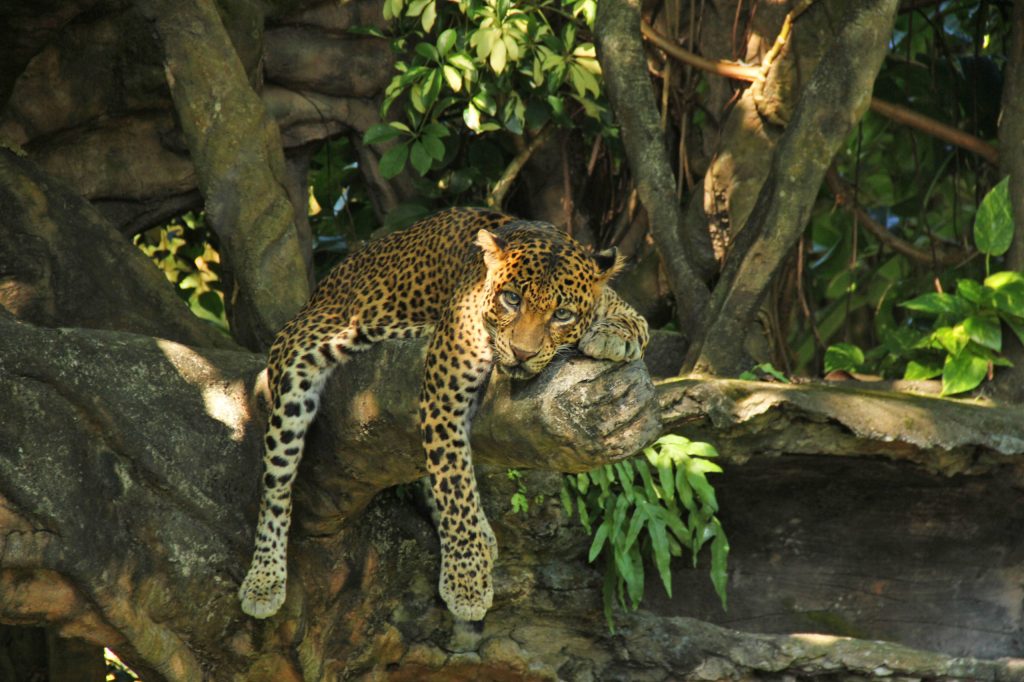
In parts of the Middle East, an Arabian leopard’s coat is worth more than its life. The elite drive demand while urban sprawl erases their last safe havens. Without intervention, extinction is inevitable.
Amur Leopard – The Most Endangered Big Cat (Only 120 left)
🩸 Skins smuggled into China, fetching thousands on black markets.
🩸 Bones and body parts sold as tiger bone substitutes in traditional medicine.
🩸 Winter poaching season drives up the demand for the fur coats.
The Amur leopard’s fur is worth more than its life. Conservationists fight to protect them, but the demand remains relentless. Without action, this species is living on borrowed time.

The Hidden Crisis: Poaching & Illegal Wildlife Trade
Despite international bans, the illegal wildlife trade is a $20 billion industry with leopards among its top victims. Animals like leopards, elephants, and rhinos have body parts that become valuable due to high demand and limited supply. Buyers pay enormous amounts of money for products like ivory carvings, rhino horns, and leopard skins or bones, viewing them as symbols of wealth, power, or medicine. This is happening even when their supposed benefits are entirely false. As penalties often remain low and enforcement inconsistent, criminals view wildlife trafficking as a low-risk, high-profit opportunity, making it one of the world’s most profitable illegal industries.
✅ Fur trade – Skins turned into rugs, coats, and ceremonial clothing, mostly in Southeast Asia and the Middle East.
✅ Traditional Chinese Medicine (TCM) – Leopard bones crushed into powders, sold as false cures for arthritis and vitality.
✅ Trophies & Status Symbols – Claws, teeth, and skulls sold illegally online, flaunted as power tokens.
Can We Save the Leopard?
Conservationists are fighting back, but they need global support. Here’s what’s being done and what you can do to help.
Restoring Leopard Habitats:
🌿 Wildlife corridors – Reconnecting fragmented forests across roadways and cities.
🌿 Reforestation – Bringing back prey species and natural balance.
🌿 Protected reserves – Expanding enforcement against poachers.
What You Can Do:
🐆 Expose the lies – Leopard bones have no medicinal value.
🐆 Hold fashion brands accountable – Some still use illegal furs.
🐆 Educate communities – Help people understand the ecological importance of leopards.
🐆 Support Conservation Organizations – Groups like World Wildlife Fund (WWF) work directly to save leopards.
🐆 Raise Awareness – Share this article, educate others, and advocate for stronger laws.
Hope For The Future
Leopards have survived ice ages, mass extinctions, and human expansion. But they won’t survive human greed.
Yet, there is hope.
In 2019, a young Amur leopard named Leo 80M was found injured in Russia’s Land of the Leopard National Park. A poacher’s snare had tightened around his leg, slicing deep into muscle and bone. The trap was meant to kill, but against all odds, Leo survived.
Rescuers from the Leopard Recovery Center acted quickly. They carefully removed the snare, treated his wounds, and monitored his progress for months. The odds were against him as leopards rely on their speed and strength to survive, and an injured leg could mean starvation in the wild.
But Leo was a fighter.
After months of rehabilitation, he was strong enough to return home. In a historic moment for conservation, Leo was released back into the wild. Motion sensor cameras now capture images of him roaming free, his coat blending into the Russian wilderness once more.
Leo’s survival is proof that every effort and every anti-poaching patrol, every protected reserve, every rescue… It matters.
Leo passing a medical exam in 2023:
Because of relentless conservation efforts, Amur leopard numbers have climbed from fewer than 40 in the early 2000s to over 120 today. The recovery is fragile, but it proves that with action, these magnificent cats can have a future.
We have the power to turn the tide. If we act now, the next generation won’t have to learn about leopards from history books. Instead, they’ll see them slinking through forests, eyes glowing, forever untamed.
References:
3. Panthera. (2023). Inside the illegal wildlife trade of wild cat parts. Panthera
4. TRAFFIC. Leopards: Protecting species from poaching and human–wildlife conflict. TRAFFIC
5. Wild Cats World. Up‑date Javan leopard release program. Wild Cats World
6. World Wildlife Fund. Illegal wildlife trade. World Wildlife Fund

 The Red Fox Gazette
You must be logged in to post a comment.